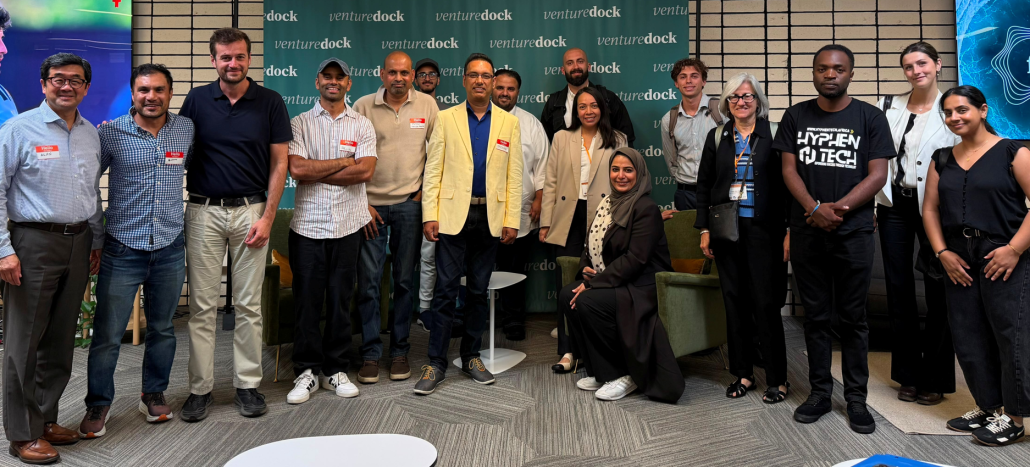
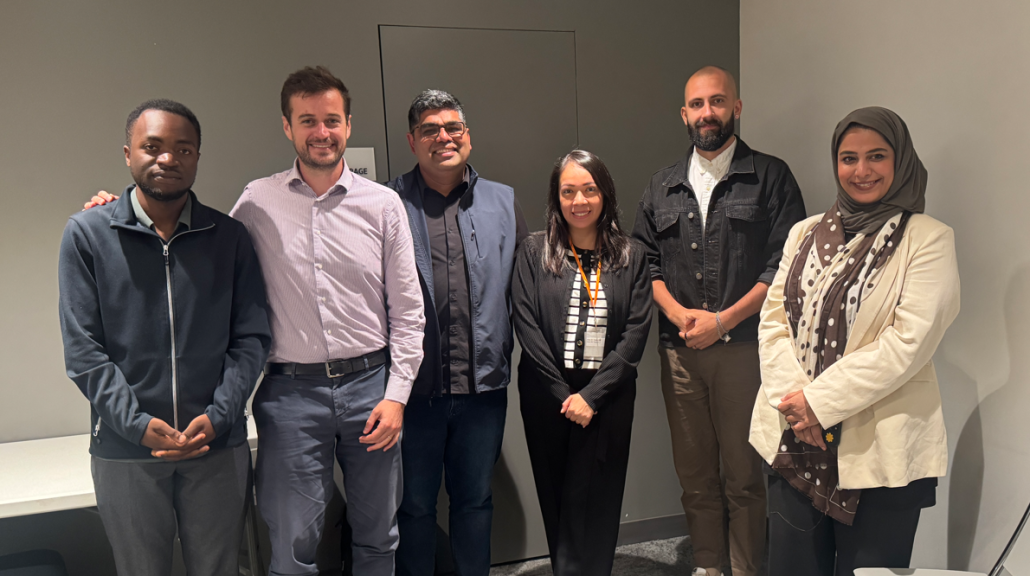
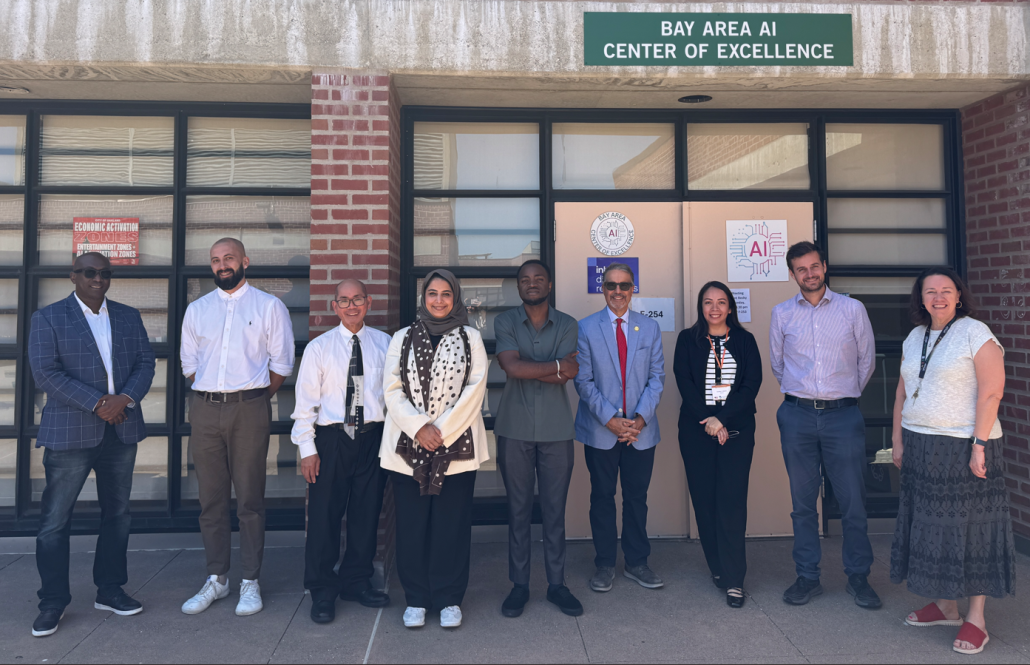
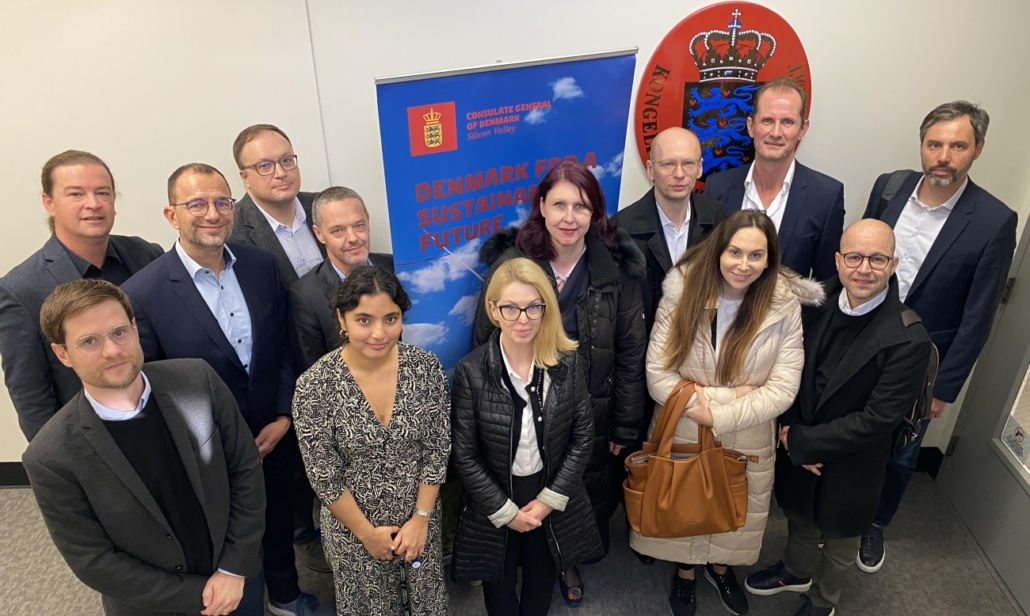
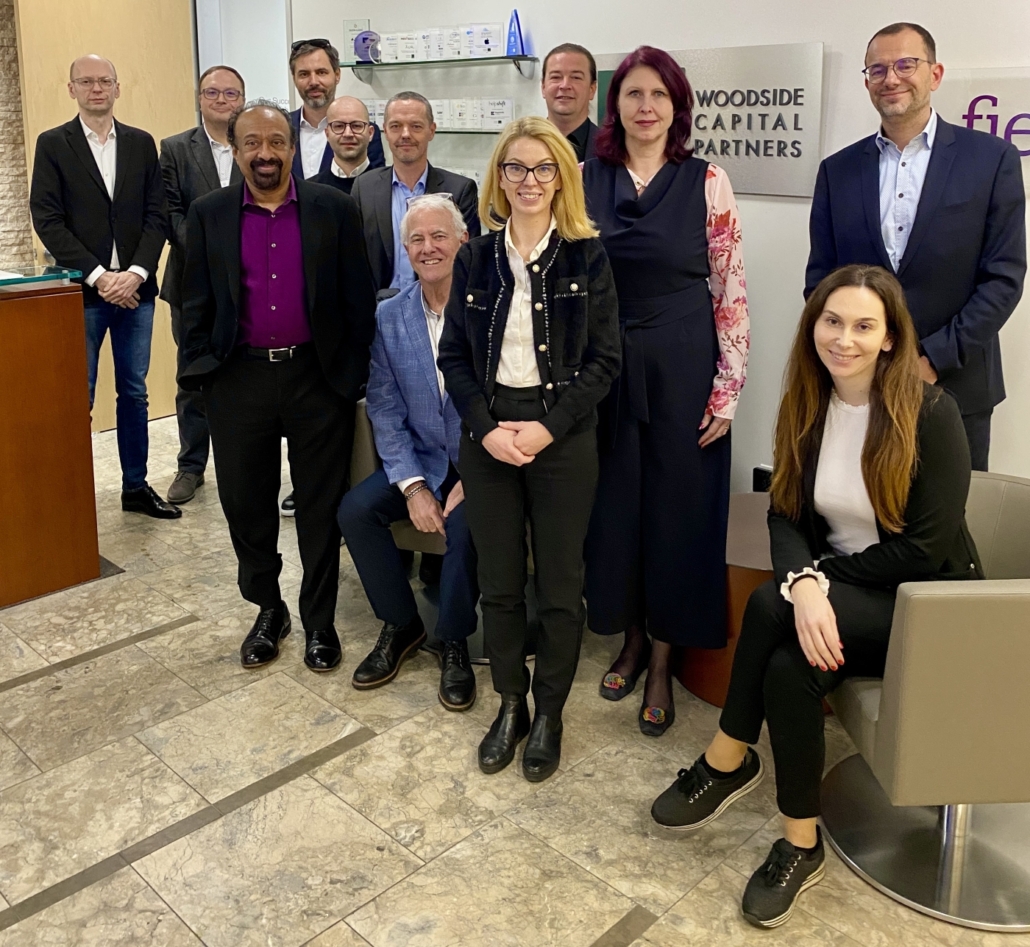
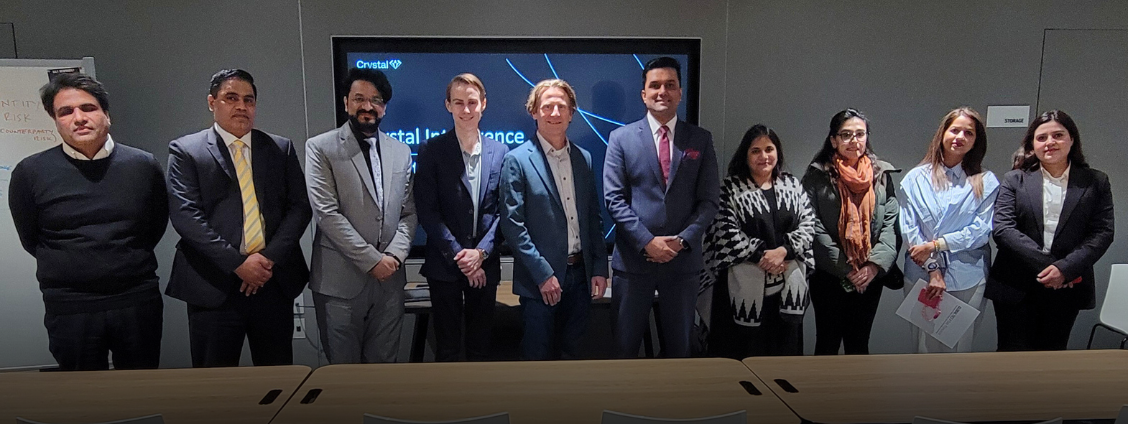
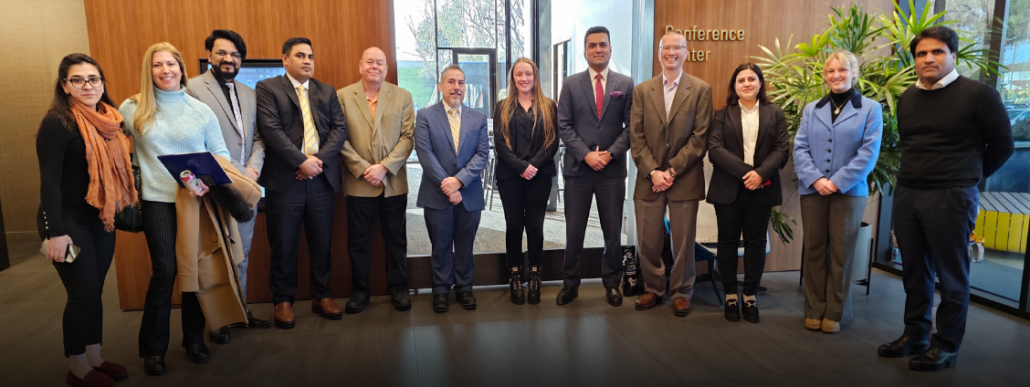
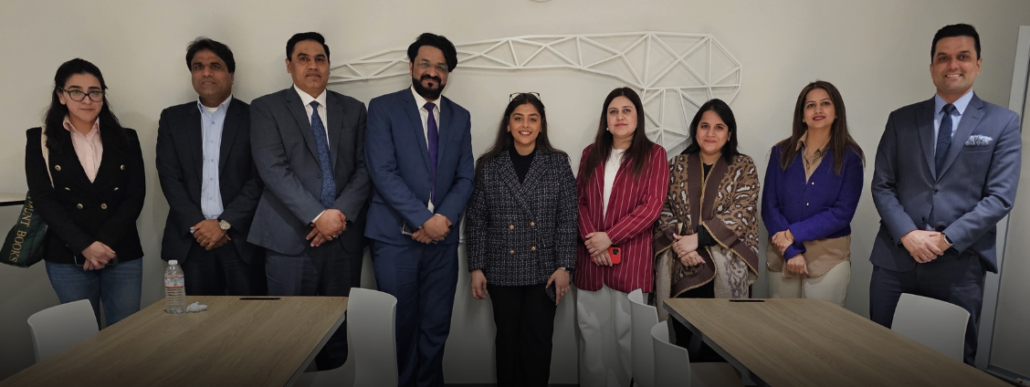
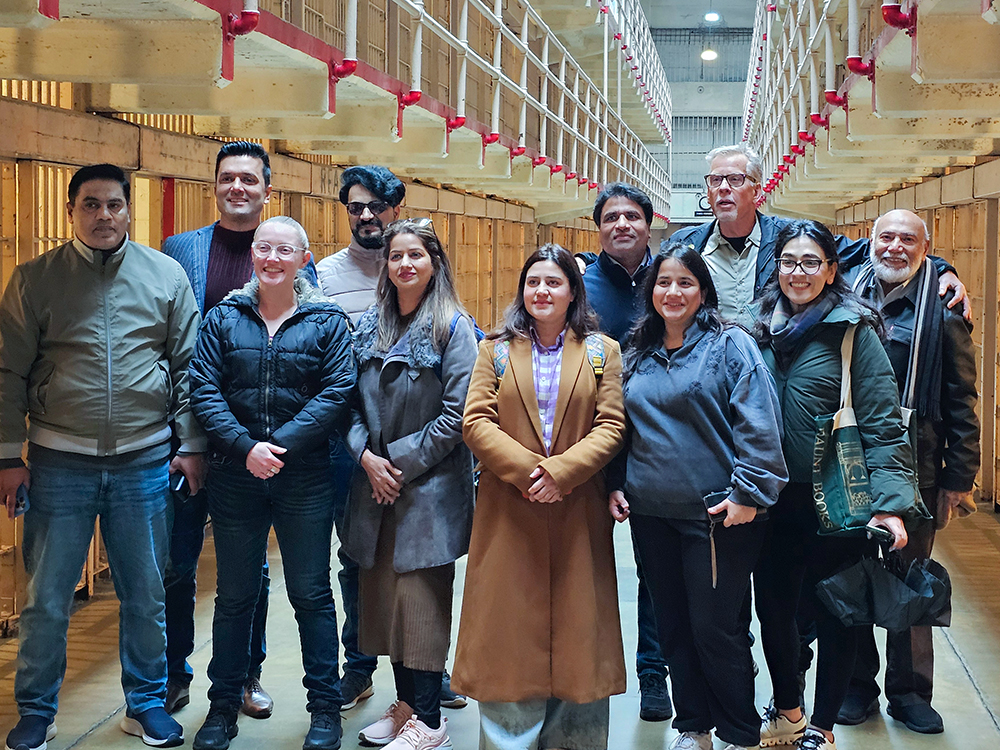
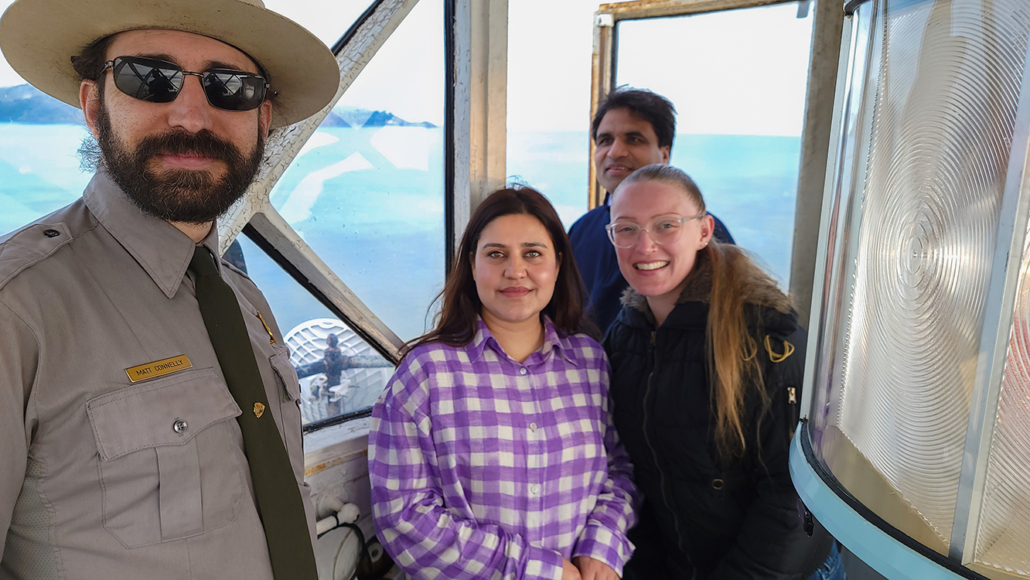
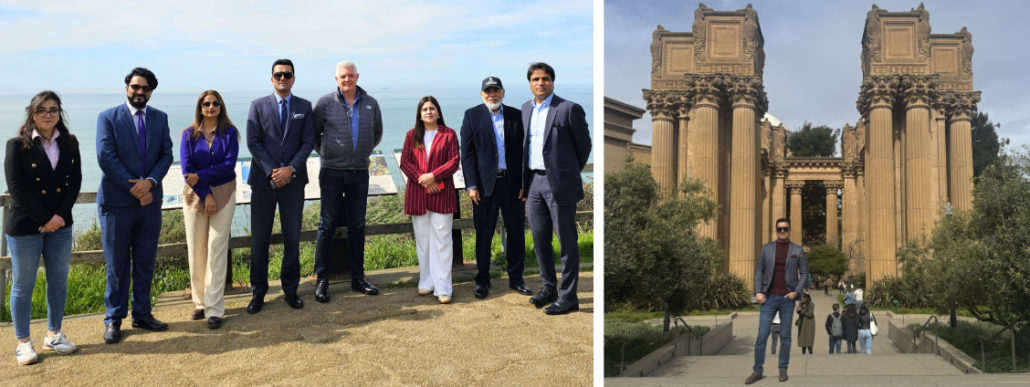
Global Ties San Francisco hosted a U.S. Department of State International Visitor Leadership Program (IVLP) delegation of eight Japanese innovation leaders from academia, technology, and industry from July 28–30, 2026 to explore economic development initiatives and related themes. A key regional focus was the Bay Area’s startup culture, how it differs from Japan’s, and how local organizations foster innovation and facilitate economic cooperation between the United States and Japan.
As a global technology and venture capital hub, the San Francisco Bay Area provided an ideal setting for the delegates to compare American and Japanese approaches to entrepreneurship and venture capital and consider ideas they could apply in their work in Japan. The delegation’s meetings ranged from nonprofits and venture capital firms to accelerators and government-supported programs, providing a range of perspectives on the vast ecosystem that ensures Silicon Valley’s continued innovation and growth.
While the professional program was the primary focus, the delegation was also able to enjoy the rich history and culture of the San Francisco Bay Area. From cruising along the Bay and exploring the towering redwoods of Muir Woods to visiting Meta Lab, Apple Park, and the Google Visitor Experience, the visitors experienced the dynamism and natural beauty that define the region.
Day 1: An Introduction to Bay Area-Japan Ties and a Visit to the Heart of Silicon Valley
Japan Society of Northern California
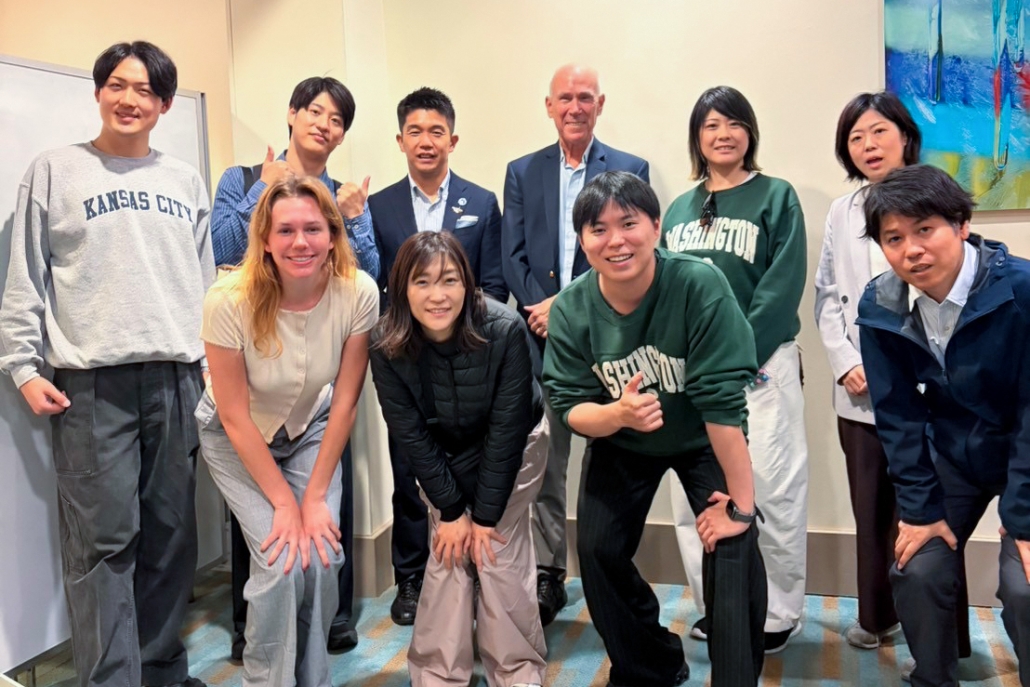
To kick off their stay, the visitors met with Japan Society of Northern California (JSNC), a nonprofit that has spent decades strengthening cultural and economic ties between the Bay Area and Japan. The discussion introduced the delegation to the longstanding connections between Silicon Valley and Japan and explored how those relationships continue to deepen.
Drawing on years of professional experience in Japan, the speaker offered insights into the evolution of economic cooperation between the two regions and how JSNC works to strengthen these connections. One example was JSNC’s annual symposium, which brings five Japanese startups to the Bay Area to present their work and connect with venture capitalists and other local founders.
Along the Peninsula
Following their brief introduction to Silicon Valley, the delegation traveled south down the Peninsula to several technology experience centers. The first stop was Meta Lab Burlingame, where the visitors had the opportunity to try the company’s smart glasses and explore immersive demos and limited-edition items.
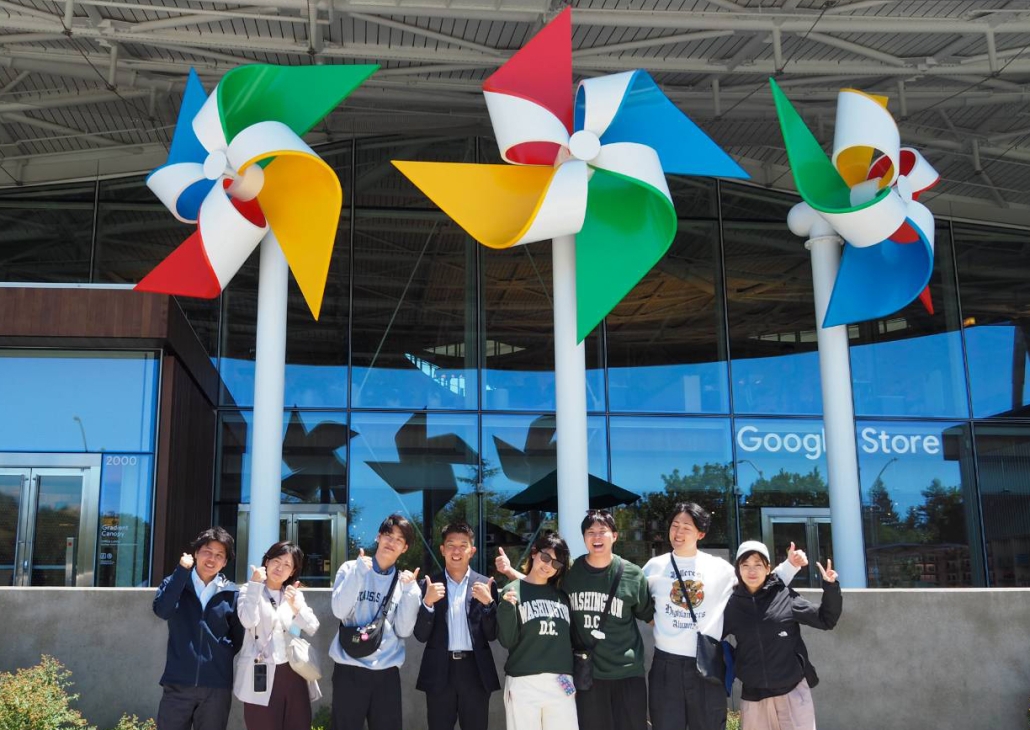
The group then continued to the heart of Silicon Valley, visiting Apple Park Visitor Center. In addition to taking in the striking exterior of the store, they explored Apple’s latest technologies and exclusive merchandise. The visitors concluded their Peninsula tour with lunch at the Google Visitor Experience, where they enjoyed sandwiches from the café and explored the interactive exhibits.
Global Hands-On Venture Capital
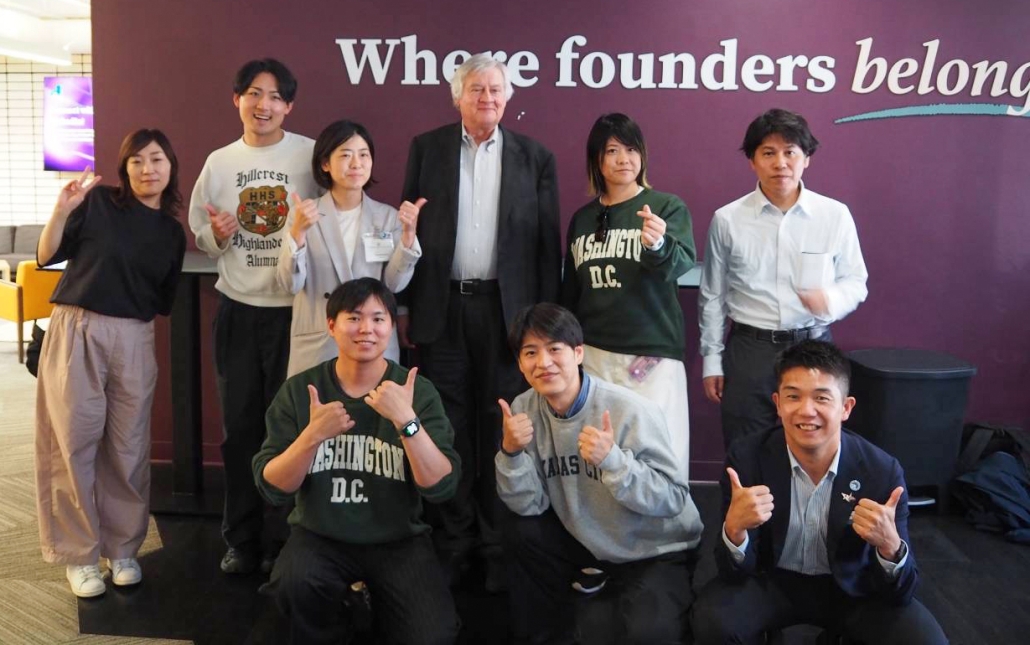
After lunch, the delegation met with a founding partner at Global Hands-On Venture Capital (GHOVC), a firm focused on helping Japanese technology startups expand internationally. The speaker shared examples of companies in GHOVC’s portfolio and explained the factors the firm considers when making investment decisions.
The conversation also highlighted differences between startup culture in Japan and Silicon Valley, including the latter’s greater emphasis on ambitious goals and willingness to take risks. The speaker referenced research indicating that people in the United States who were not entrepreneurs were more likely to associate entrepreneurship with opportunity and personal capability, while respondents in Japan were more likely to associate it with a fear of failure. The comparison offered a useful framework for considering how social and cultural attitudes toward entrepreneurship can influence startup ecosystems.
Day 2: Accelerators, Incubators, and an Afternoon on the Bay
US Market Access Center
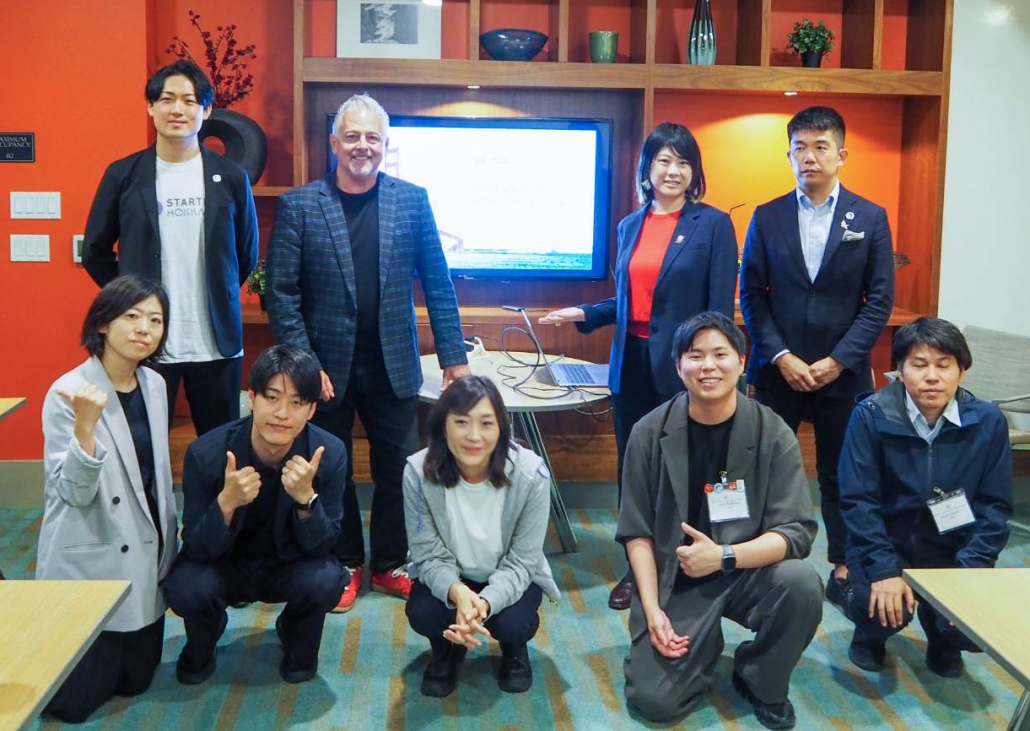
The second day began with the US Market Access Center (USMAC), exploring its accelerator model and efforts to help international companies enter the U.S. market. Through mentorship, market-entry strategies, and introductions to investors and other business leaders, USMAC helps companies navigate the challenges of establishing themselves in a new market.
The conversation also explored why Silicon Valley remains a major hub for startups in an increasingly globalized and interconnected economy. While digital communication has made it easier than ever to connect across borders, the speaker emphasized the continued value of face-to-face interactions among founders, investors, and business leaders. These relationships can create opportunities for collaboration and demonstrate how networking can generate mutual benefits across markets.
Scrum Studio
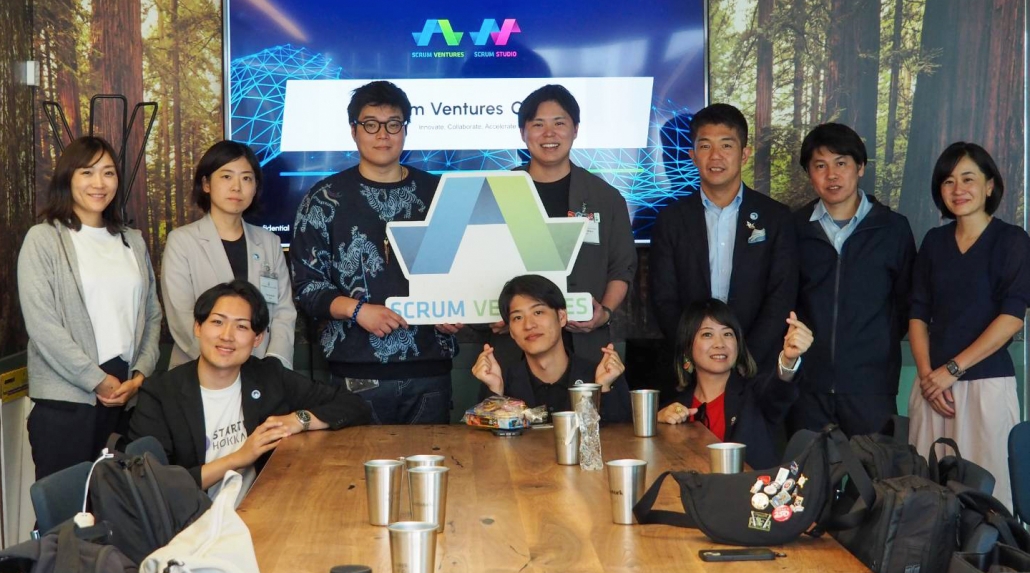
After lunch at the bustling San Francisco Ferry Building, where several delegates sampled the City’s famous sourdough, the group met with Scrum Ventures to learn about Scrum Studio, the firm’s incubator arm. Founded by an entrepreneur who grew up in Japan, Scrum Ventures maintains headquarters in San Francisco and Tokyo and has made significant investments in Japanese companies, giving the firm a distinctive understanding of both markets.
The discussion centered on Scrum Studio’s startup mentorship program, through which the firm selects five startups from more than 300 applicants. The selected companies receive mentorship and introductions to potential partners in Japan.
One example highlighted was the Hokkaido Nippon-Ham Fighters, a professional baseball team in Nippon Professional Baseball (NPB). Scrum Studio is working with startups whose innovations can contribute to the new stadium and village being developed for the team, while also supporting economic development efforts in Hokkaido.
The meeting was a home run, rounding out earlier sessions with a fresh perspective: while many of the delegation’s other meetings focused on initiatives in the United States, Scrum demonstrated how U.S. approaches to entrepreneurship and innovation can be applied within Japan itself.
Red and White Fleet’s Bridge to Bridge Cruise
Following the meeting, the delegation took Waymo rides to Fisherman’s Wharf to begin a quintessential San Francisco experience: a cruise on the Bay.
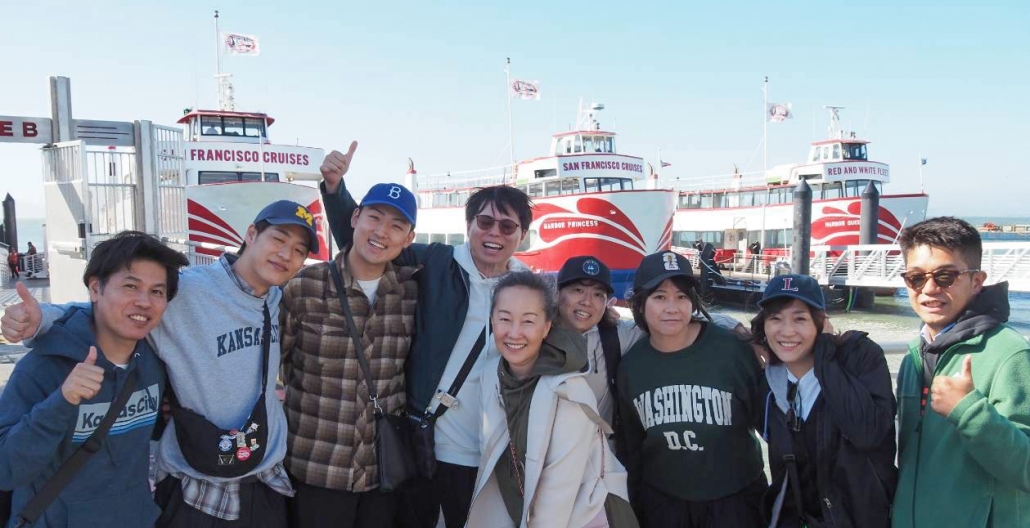
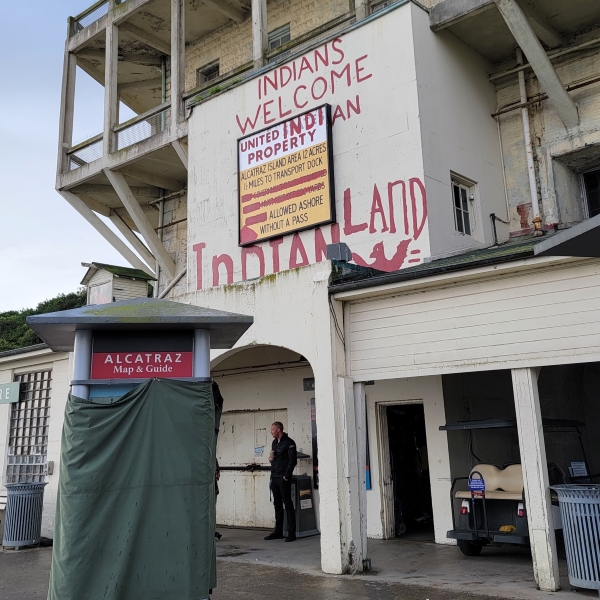
On an unusually clear day, the group enjoyed picturesque views of the Golden Gate Bridge, Bay Bridge, San Francisco skyline, and Alcatraz Island. But while the weather did its part to make the afternoon memorable, the Bay’s choppy waters were determined not to be outshined. The cruise offered an unexpected moment of levity when a few riders—including a Global Ties San Francisco intern—were suddenly soaked by the lapping waves, prompting immediate laughter from all. Afterward, the visitors spent the evening exploring the wharf and shopping for souvenirs.
Day 3: Two Approaches to Startup Growth
Japan External Trade Organization
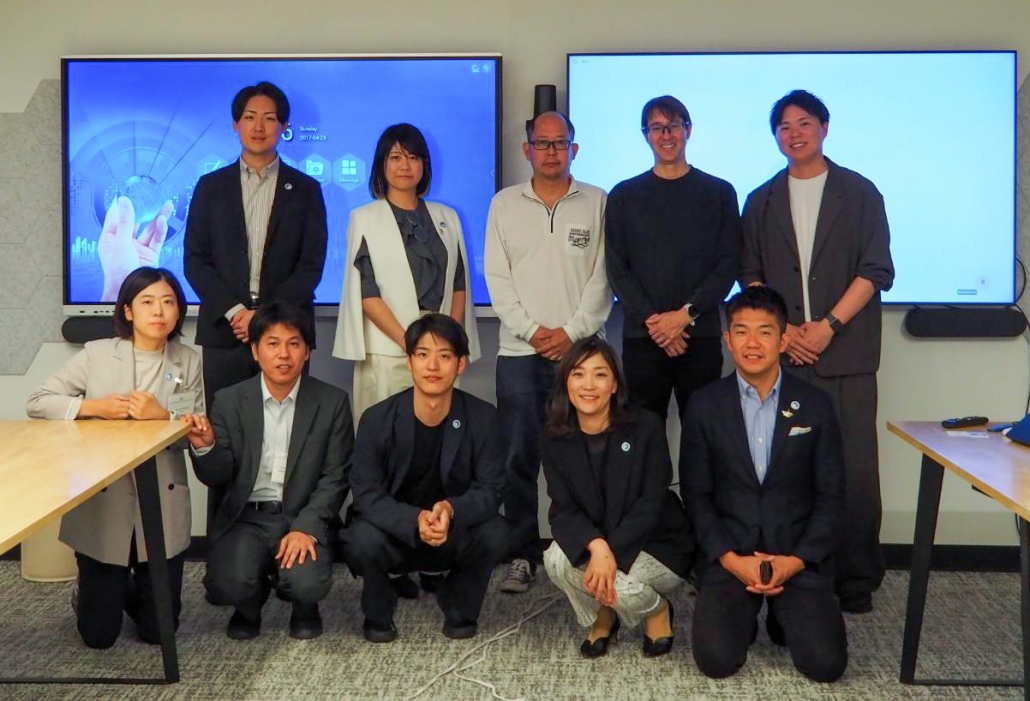
The following morning, the delegation met with representatives of the Japan External Trade Organization (JETRO). While earlier meetings focused primarily on private sector companies in the regional tech ecosystem, JETRO demonstrated government support to promote startup investment and business development between Japan and the United States. The discussion demonstrated how a public sector organization can complement the work of private investors, accelerators, and other organizations by helping Japanese companies identify opportunities, build connections, and navigate the U.S. market.
Plug and Play Tech Center
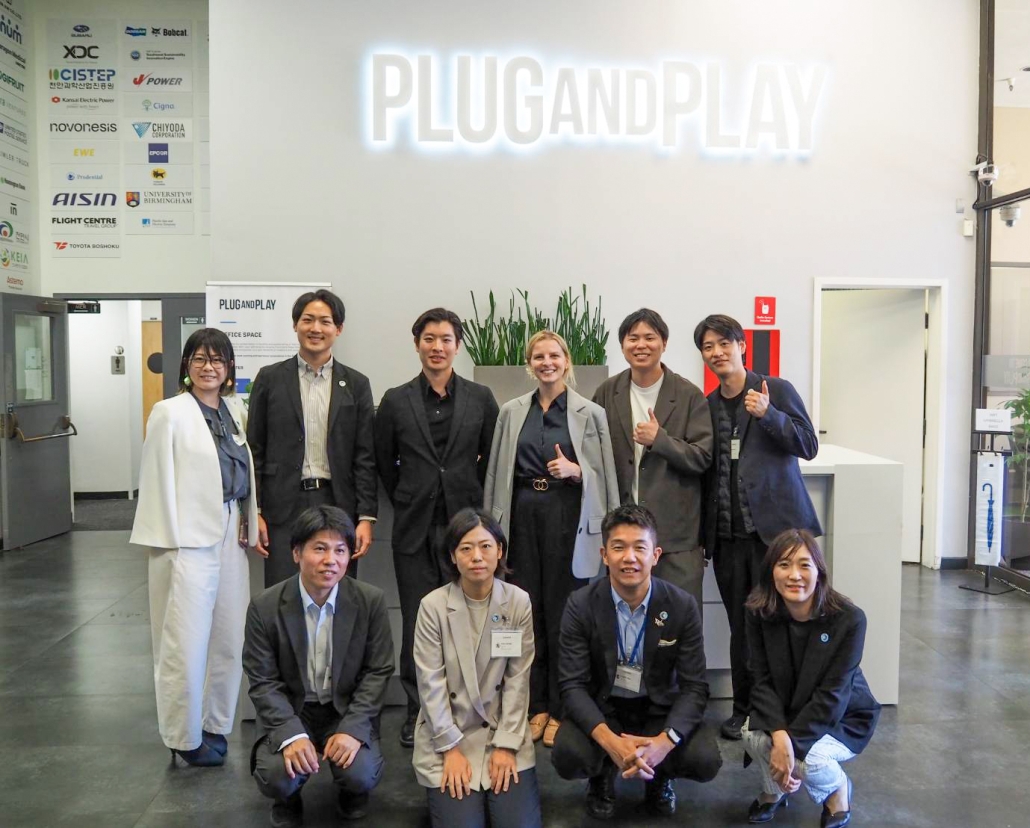
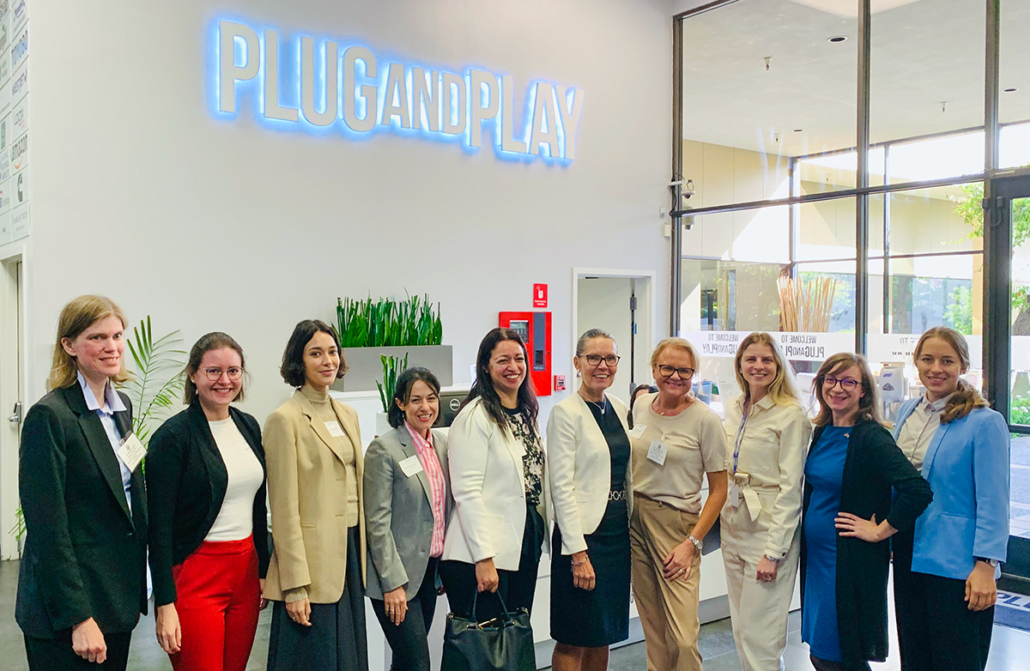
After lunch in Sunnyvale, the delegates continued on to Plug and Play to examine how accelerators and corporate innovation models support early-stage business growth, investment, and commercialization. The visitors toured the facility, including its collaborative workspace where startups work alongside one another, and learned more about what Plug and Play looks for in potential investments. The delegation also heard about some of PnP’s early investments, including PayPal, and viewed the wall of signatures from successful Silicon Valley technology companies that have passed through its programs.
Day 4: A Final Goodbye to the United States
Synthesis Session
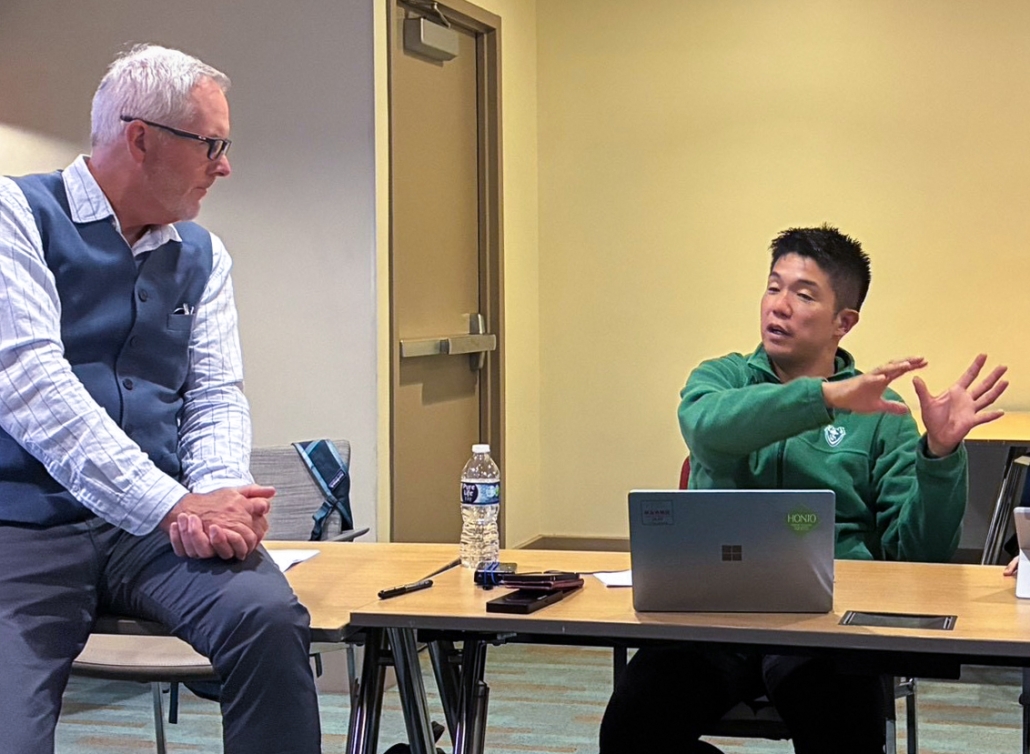
As the visitors concluded their three-week program, they participated in a facilitated synthesis session to reflect on their experiences and identify lessons learned from their time in the U.S. The delegates compared takeaways not only from San Francisco but also from their previous stops in Washington, DC, Detroit, and Kansas City. The discussion focused on how approaches to entrepreneurship and economic development observed throughout the program could be adapted to the Japanese context.
Golden Gate Bridge and Muir Woods
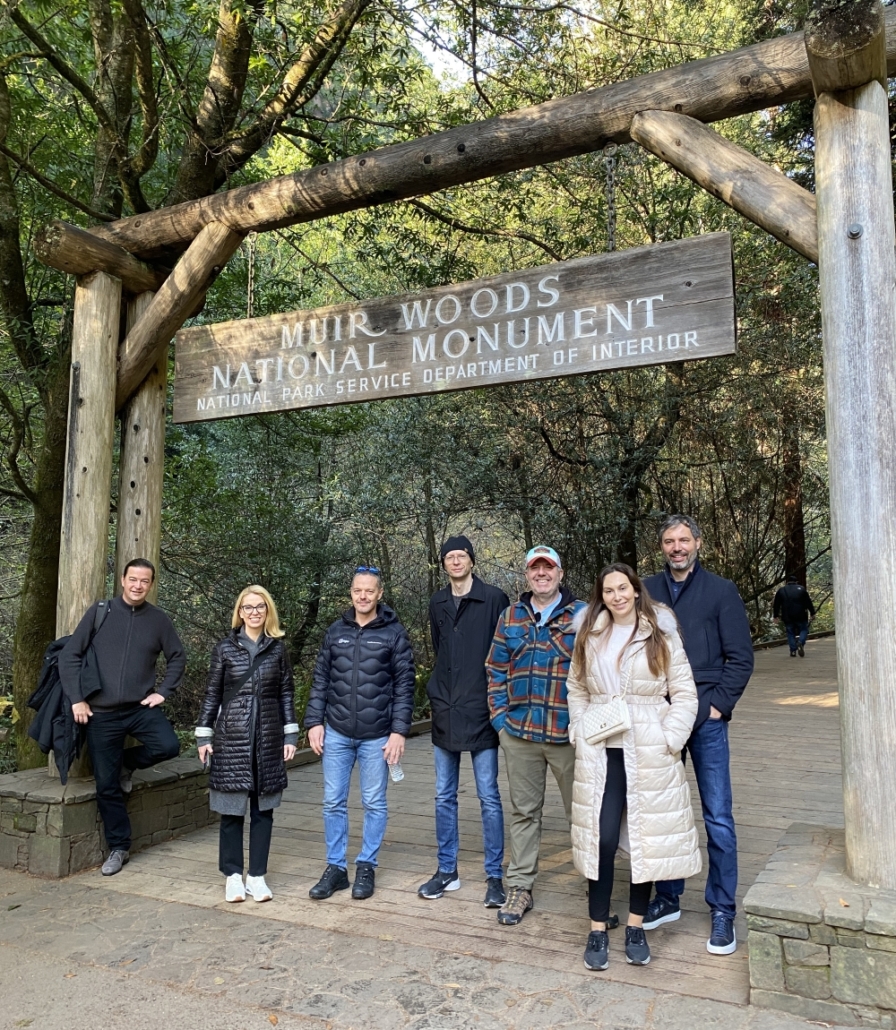
After several busy days of professional meetings, the delegation took time to relax and explore some of the region’s most iconic destinations before their flight home. At the Golden Gate Bridge, the visitors took photographs and admired one of San Francisco’s most enduring landmarks before continuing to Muir Woods National Monument.
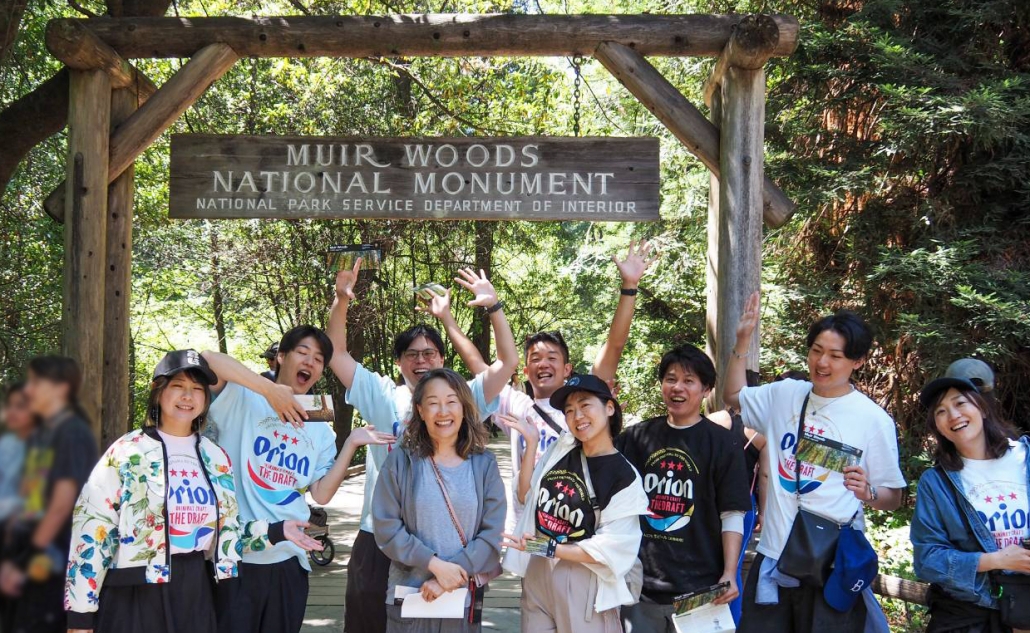
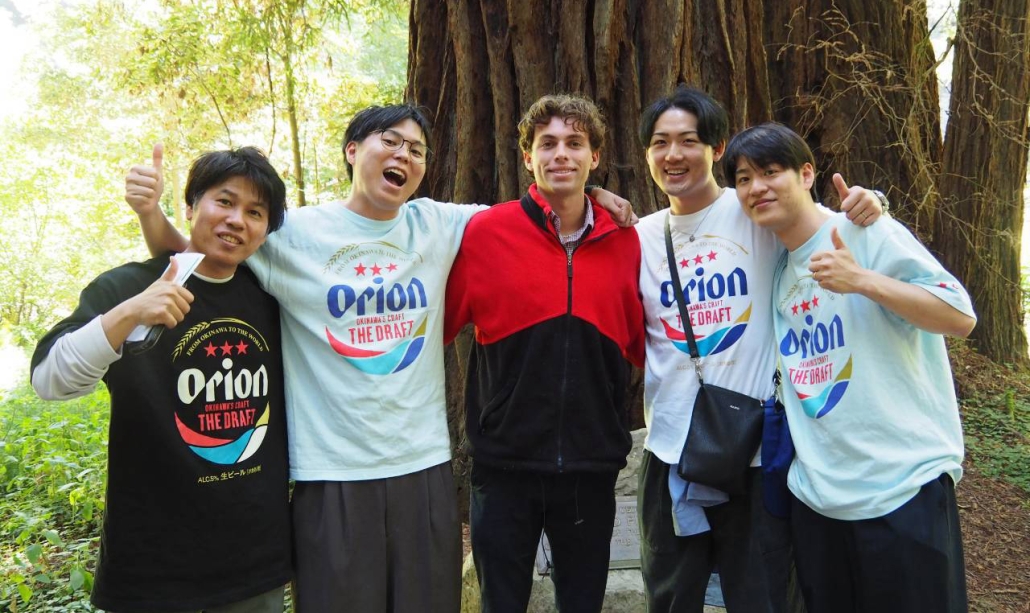
Muir Woods, named after conservationist John Muir, is renowned for its towering old-growth coastal redwoods. Walking among the trees together in their matching t-shirts, the delegation reflected the camaraderie that had developed over their three weeks in the United States. Although their time together was coming to an end, the relationships forged through the IVLP provide a lasting foundation for continued engagement with those they met and each other.
Conclusion
Across several days of meetings with venture capital firms, accelerators, trade organizations, and nonprofits, the visitors experienced the dynamism of Silicon Valley and explored why founders from around the world continue to come to the Bay Area in search of funding, mentorship, and connections.
As one interlocutor put it:
What sets Silicon Valley apart from any other technology hub is its unique cultural willingness to dream big and back moonshots that few others would take a chance on.
That appetite for risk, combined with the region’s concentration of venture capital, continues to draw in innovators worldwide.
Some of the most valuable conversations focused on the experience of operating between the Japanese and U.S. markets, offering insight into the opportunities and challenges of navigating both systems and the importance of mentorship tailored to Japanese startups. Ultimately, the visit demonstrated that the relationship between Japan and Silicon Valley is a dynamic and ongoing two-way exchange of ideas, expertise, and approaches to innovation.
Author: A. B., Summer 2026 Intern